
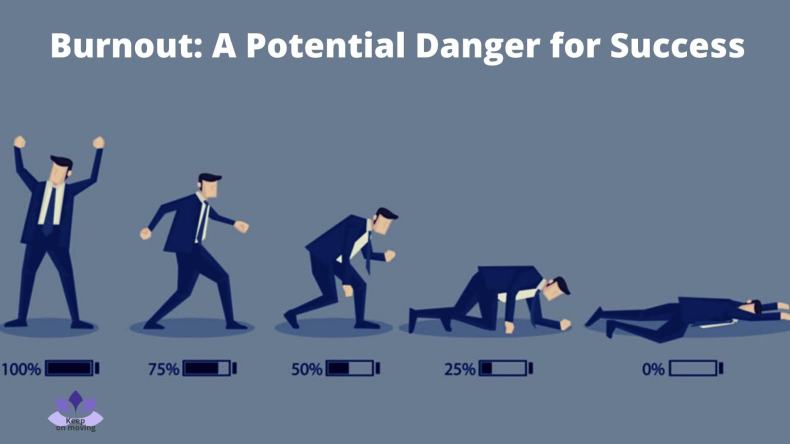
The exhaustion and weariness in their eyes. says it all. Your team is running on fumes. They’re drowning in a sea of “urgent” tasks, contradictory priorities, and meetings that create more questions than answers. The 4th quarter push won’t happen at this rate. They are giving you everything they have, but the tank is running low.
You consider the recommendations from the standard leadership playbook to “block and tackle.” You find a series of prescription: introduce a new productivity tool, mandate “No Meeting Friday,” offer a well-meaning pep talk. You envision yourself as the hero, the medic, rushing onto the battlefield to apply bandages.
But these wounds don’t heal. You’re just quieting the screams. And you’re now sleepless too, wondering why the same injuries keep showing up, day after day.
Transformational leaders however have the courage to put down the bandages and take a different perspective. They start by asking a profoundly different question:
“What poison in our system is making everyone sick in the first place?”
This shift from treating symptoms to diagnosing the disease is when change begins. When Alan Mulally took over a dying Ford in 2006, he wasn’t just facing financial collapse; he was facing a toxic culture of fear where everyone hid the truth. He knew prescribing new sales tactics would be like putting a bandage on a heart attack. He diagnosed the real disease—fear—and his cure was to make it safe to tell the truth. That single act of diagnosis saved the company.
Burnout isn’t a sign your team is failing. It’s a sign your leadership and strategy are failing them. When people are working incredibly hard, but they are rowing in a dozen different directions the destination has not been made sufficiently clear.
Stop looking for another productivity hack, or an AI fix. You need to take a pause, preserve a few moments for diagnostic clarity.
This Week’s Experiment: Open your calendar from this past week. Look at the title of every meeting you attended. For each one, ask yourself: “What was the one-sentence decision that this meeting was supposed to drive?”
If no answer is apparent instantly, then chances are you team struggled too. The confusion you feel right now? That’s the fog, or the real poison. And now that you can see it, you can begin to cure it.
Moving from medic to diagnostician is a core leadership skill. It requires practice, courage, and a community of peers who are on the same journey. If you’re ready to stop treating symptoms and start building a resilient, focused team, consider joining a cohort. We practice these skills together.
 FrameStretching